Sundarbans, a place where we can reach as per our own convenience to have a quick escape from the chaos of the city where the nature provides 98% oxygen - the best possible place to refresh our minds.
It is the largest mangrove forest in the world is spread across 26000 sq. km. After the division in 1971 from Bangladesh, India is left with 9630 sq. km. In the Indian side of the Sundarbans, there are a total of 102 islands. Our guests are allowed to visit the forest within the Indian range (9630 sq km) with a basic permit accompanied by a certified local forest guide .
Now for those who are wondering - How did Sundarban get its name? It's really interesting that the Sundarbans got its name from the Sundari trees (Heritiera fomes). In the past, local villagers and the lumberjacks of the neighboring countries used to collect the wood of the Sundari trees to make furniture for their daily bread and butter. But since late 90s, deforestation is strictly prohibited in the Sundarbans.
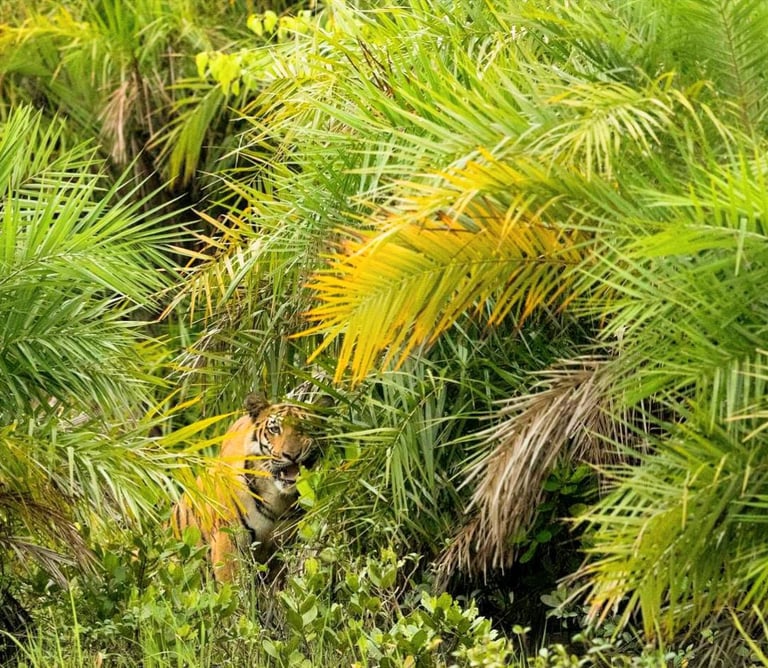
The present Sundarbans National Park was declared as the core area of the Sundarbans Tiger Reserve in 1973 and a wildlife sanctuary in 1977.
On 4th May 1984 it was declared as a national park.
In the year 1987, it was declared as a UNESCO World Heritage Site and it has been designated as a Ramsar site since 2019.
It is considered as a World Network of Biosphere Reserve from 10th November 2001.
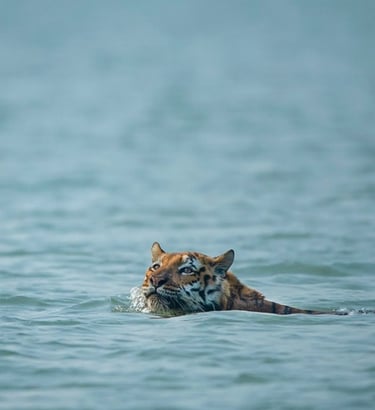
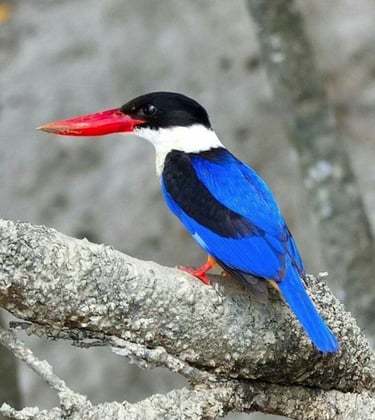
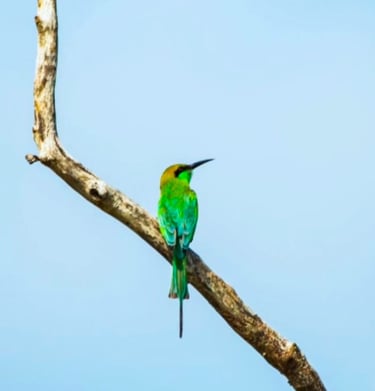
Overview
Our Location
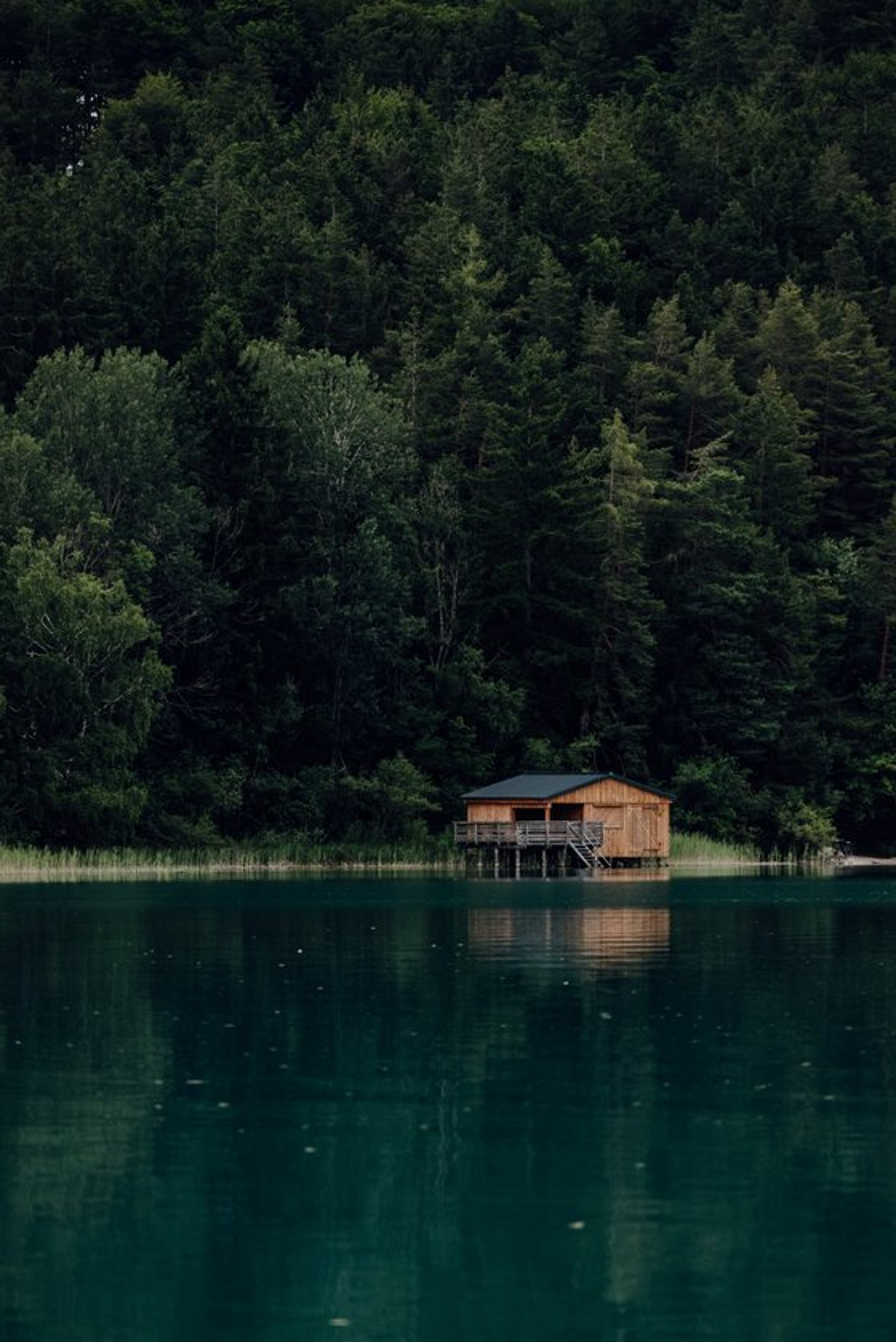
Nestled at the edge of the Sundarbans, our base offers easy access to the wild mangrove forests and serene river views.
Address
Pakhiralay, Sundarbans, West Bengal
Hours
9:00 AM - 10:30 PM
Get in Touch with us
2026 © Nomads of Sundarbans. All rights reserved